Module 4 Engagement Blog

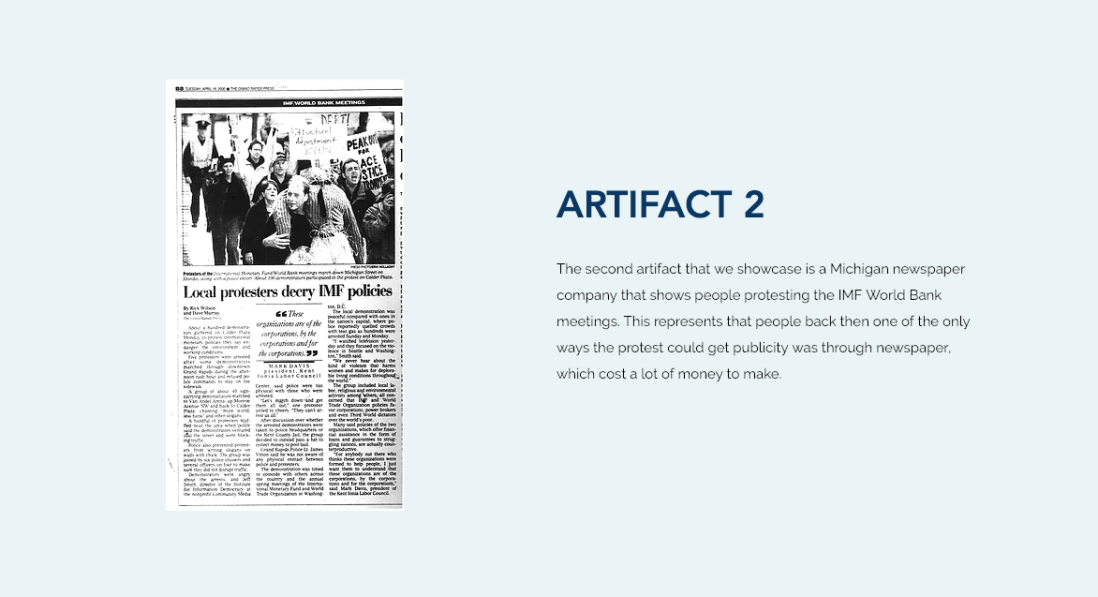
For the last module in this class I initially did not think I was going to enjoy the topic as much as I did with the previous modules but in the end ended up enjoying it quite a bit. For the module 4 project of creating a website that showcased a specific social movement during the introduction of the internet me and my partner Conner decided to look at the anti globalization movement. One thing that I learned from diving deeper into it is that while the use of the internet and social media makes everything a lot easier there was still a very large presence of this movement before the digital age. One of the big concepts that I took away from this module was the idea of using technology to preserve what has already been created found in the “What is Digital Curation” reading. An example of this can be found on the website that I did for the module 4 project in which there is an old newspaper article that was scanned onto a computer that is now stored forever rather than it disappearing a week after it was printed. Screen Shot 2019-04-29 at 11.55.26 PM.png
When I think of technology I think of what it can create and what innovations it is going to bring forward but the fact that it can be used to preserve our history and catalog things for future generations is fascinating. Another aspect of digital curation that I found interesting was the amount of work and the process that goes into creating a digital “museum”. The exact process can be found in the diagram found in the “DCC Curation Lifecycle Model” reading. Screen Shot 2019-04-30 at 12.06.38 AM.png
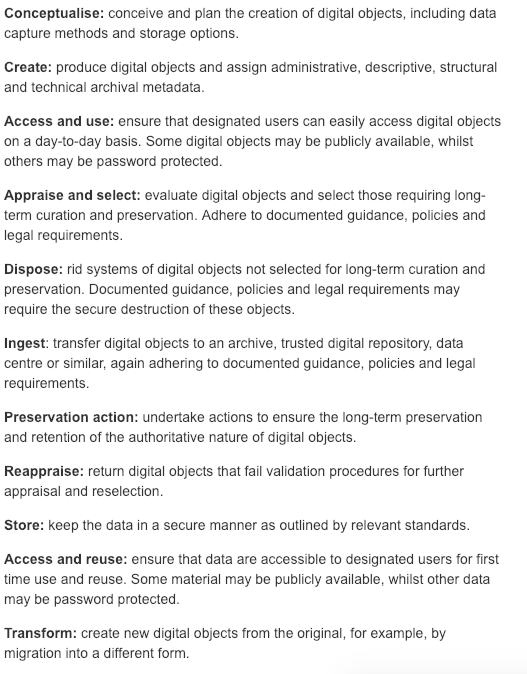
When I decided to choose DTC as my major I really wanted to use my degree to get into website building/marketing and because of this module I think that helping preserve the history that has already been made would make a really interesting career.

During my research and exploration into this topic I found a video that helps explain not only what digital curation is, but also why its important to everyone. To put what all this means into context, I linked a video that shows footage of WW2 and this is a perfect example of why its such an important field. While we will always have the stories of what happened in WW2 it is incredibly important to preserve the footage of the war because it helps give people a sense of what was actually going on during that time.

Module 3 Engagement Blog


When looking back on Module 3 the biggest idea that stuck out to me was the idea of filter bubbles and echo chambers and how they can effect how the us (the consumer) receives and even processes our information. A good example of this can be found in the reading “How Facebook’s Filter Bubble Warped My Perception of Reality” where the author talks about how insane it seemed when Donald Trump won the election. This basically happened because of how Facebook programmed their algorithms and the direct effect was the filter bubble effect. The reason that Facebook tracks this information was explained in the Adam Ruins Everything video where they explain that even though most websites might be free, they are making money off of the information you provide. Even though I have had a project on this before I am constantly stunned by how connected all the websites and apps are with sharing information, for example in the filter bubble project we did I decided to look at my Google, Instagram, and Amazon accounts just to see if anything was linked between them and within 30 seconds on each site they all had stuff for working out (which I do frequently). While it can be shocking and sometimes frightening to see how much the internet can know about you, I personally think that for sites like Amazon and Instagram it can be a very useful tool to help make sure you don’t see a ton of useless information or products. But when it comes to things like getting and receiving news that can have a devastating effect (like what happened in the last presidential election). Lastly one of the most interesting things that I found from looking into filter bubbles/echo chambers and how they effect people is the lack of accountability by both news sources and people getting the information themselves. For example with the previous election my mother who is an avid facebook user would constantly text me and tell me the latest update on what Trump had done that day. During one of the breaks I went home and checked where she was getting her information (some of the stories didn’t sound right) and found out that almost all of the facebook groups giving her the information were fake and spread false stories daily. While it is hard to filter through everything on the internet these filter bubbles can be incredibly destructive.

Video of how Facebook changed the election:

Video that explains and talks more about filter bubbles:

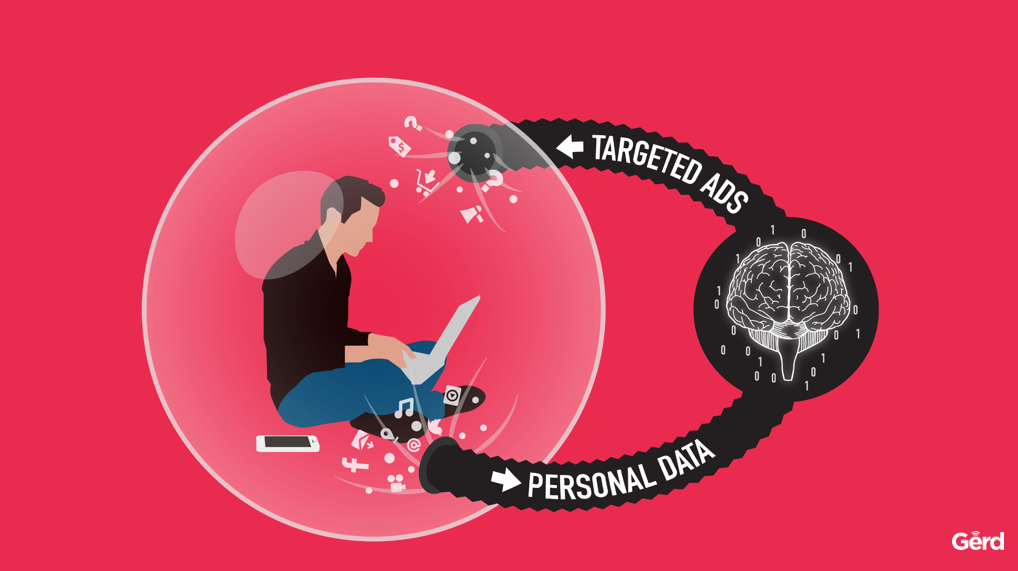
This is a picture that explains my “filter bubble” with Google, Amazon, and Instagram: Filter-Bubble.jpg

Picture of Facebook accounts that spread false information:

Image result for fake liberal facebook accounts

A great picture that shows how these filter bubbles work:

Image result for visualization of an echo chamber

Module 2 Engagement Blog

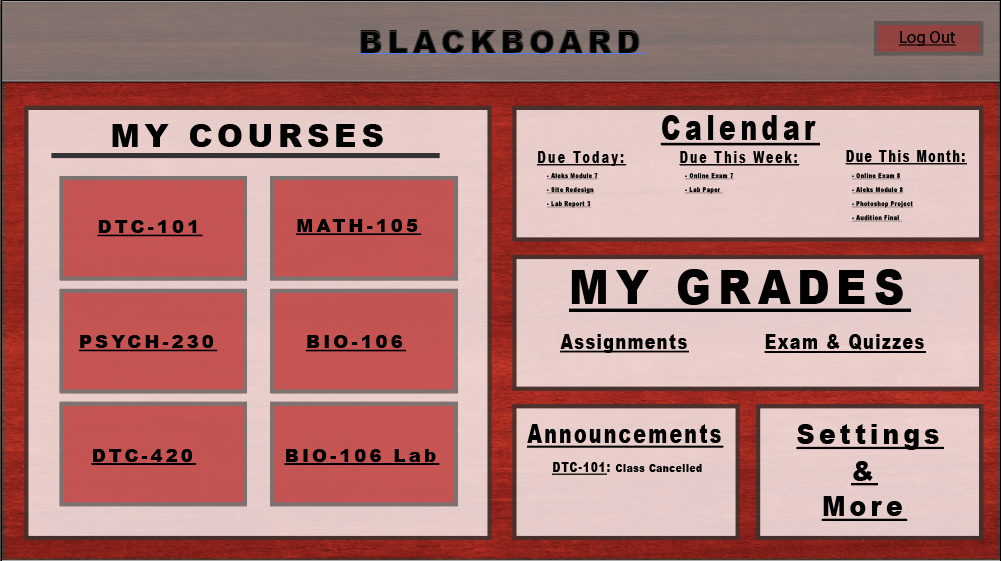
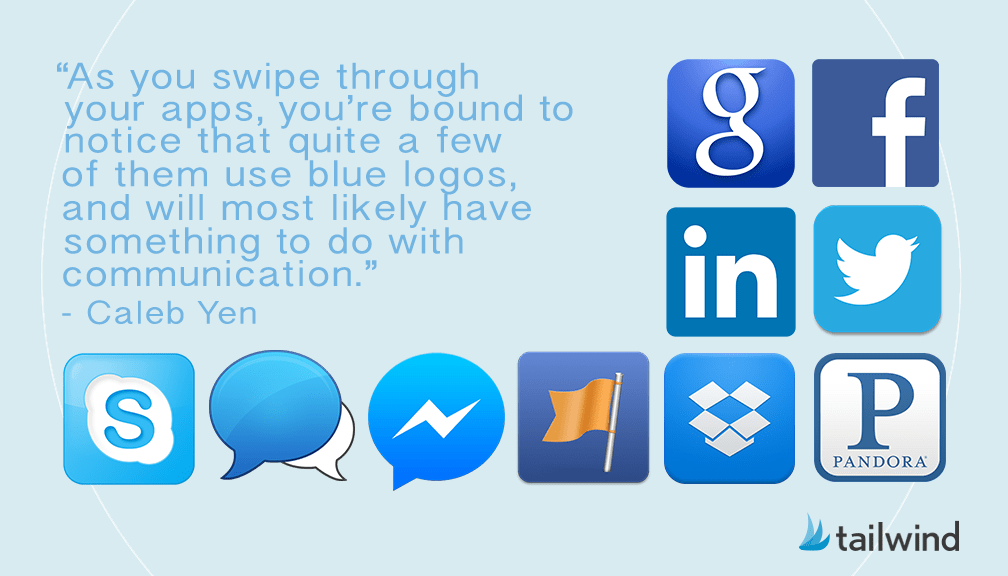
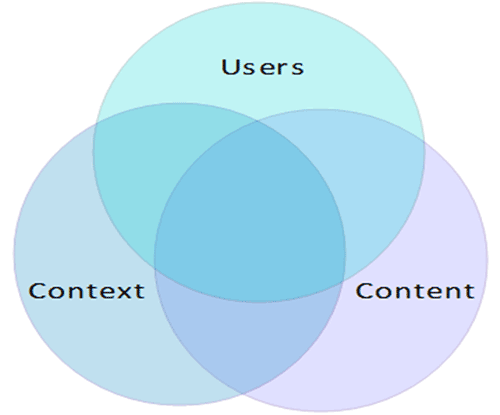
When you go about your day browsing through websites and social media sites one thing that gets overlooked easily is the site design. From what colors you see to the design layout, everything has a purpose to grab and keep your attention. To me understanding the science of this is one of the most interesting parts of the online world we live in. A big concept that I found interesting was the science behind using certain colors to invoke certain emotions while on the website/app. For example the use of the color blue in the interface design in many of the most popular websites (Facebook, Amazon, Twitter, etc…) to make people feel comfortable. One thing that I found really interesting to explore was the website redesign in which my group decided to update blackboard and make it more simple and easy to use. For us the sole purpose was to make the important features large and easy to access, which is in direct contrast to how it is currently set up. One big theme that seems to constantly reoccur when talking about website design is that simplicity is key to creating a well rounded and useful website/app. In one of the readings it states that users are only able to keep 5-9 items in short term memory before forgetting or making errors, this leads to cluttered websites becoming confusing and making the experience for the user not a good one. The main reason that I find all this so interesting is because I am planning on becoming a website designer after college, so having this information is extremely important to me if I want to be successful in my career. Lastly one thing that I found interesting to think about and try to understand was the “information ecology” venn diagram that talked about the combination of 3 main things: Context, content, and users. This perfectly describes how all three of these things interact to create a user experience.


Screen Shot 2019-02-21 at 11.07.22 PM.png

True-Blue-Social-Media-A-Logo-Analysis_Appendix.png

ia.gif

Videos:


https://www.youtube.com/watch?v=vFfZBvBd6EI

Engagement Blog

When looking back at Module 1, one of the big themes that I took away and found really interesting was the idea of an online presence via social media and how it can affect your personal (offline) life both good and bad. A good example of this that we saw in class was when we watched the south park episode about online presence and which is more important.

Image result for south park facebook episode

After a long discussion in class we decided that they had a mutualistic relationship and that while the user controls the online presence, but the online presence can control the user through the need to continue connecting with friends and the online community. Also the social media platforms have been professionally designed to keep the user engaged and for lack of a better term “hooked” to the online experience. While it might seem silly, people can become addicted and focus entirely too much on their online presence, in the reading “Social Media: The Good, The Bad, The Ugly” it talks about how addiction to social media is becoming a real problem for younger people. This absorbent amount of time can also lead to things like cyberbullying which is starting to have a real consequence in the online community and social networks.

Image result for social media addiction

Just to quickly clarify the difference between the two, according to the reading “Social Network vs. Online Community: What is the Difference?” a social network is a place where people of differing interests and ideas can come together and communicate, whereas online communities are usually centered around an idea or interest. Here is a video that helps explain the difference in more depth

https://www.coursera.org/lecture/what-is-social/social-networks-and-communities-7Yc1G

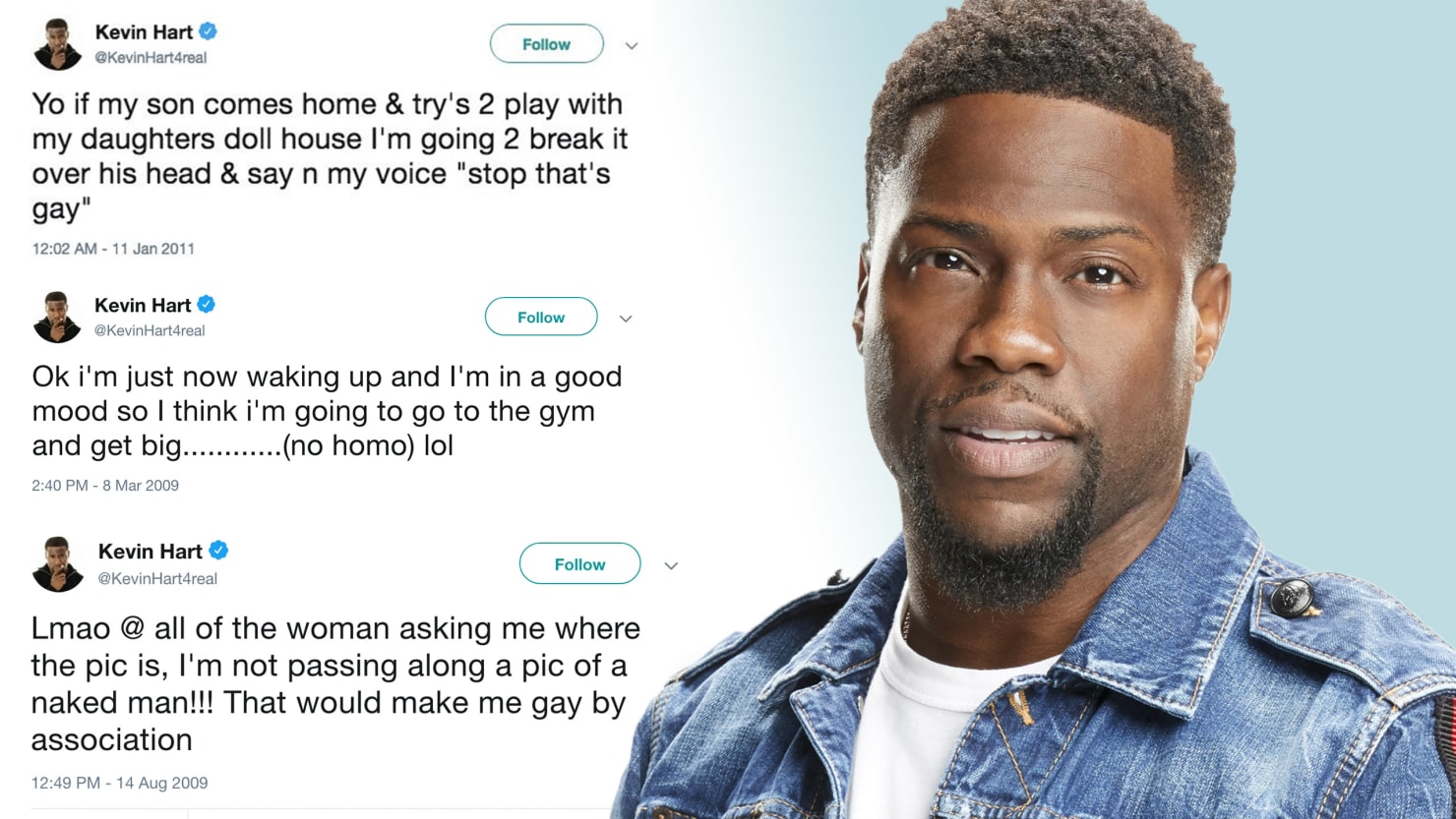
Another factor that social media can play in peoples physical lives is the ability to get or lose jobs. While most of the time a well groomed online presence can help you get jobs through sites like Linkdin and handshake, it can be a double edge sword that can hurt your chances of being hired. In this new age of digital media more and more employers are checking potential candidates online presence to make sure they like who they are hiring. There has been numerous examples of people who have lost job opportunities because of old tweets that have resurfaced, for example Kevin Hart was recently in trouble over old tweets:

https://www.washingtonpost.com/video/c/embed/13f8cbeb-21b0-4e64-bc9a-5b577cb7700b

Image result for kevin hart oscars tweet


Social Media Narrative

For this blog post I have decided to talk about my personal Instagram account. For some background on it, I started using Instagram about 6 years ago after I graduated from high school. Initially I created it to put filters on cool pictures that I had taken. Little by little the purpose and functionality of my social media account has changed, I stopped using the filters and editing tools as much and made it more about sharing what is going on in my life with friends and family. Now a days I mostly post pictures of either myself or a group of friends whenever there is a major event that happens in my life. One newer feature that didn’t exist when I started using Instagram is the option to add more than one photo in a post. This allows me to post multiple pictures and create a miniature photo album of what I am posting. As far as my audience, I have around 350 followers and most of those are personal friends or people that I have met over my lifetime. They are the main reason for me having my account, while there are some people who follow me that I am not as familiar with. When overlooking at my account, I think my account shows a typical college student. I try my best to ensure that whatever I am posting is always in good taste and is never offensive. I also make sure that whatever I post will not come back to hurt me in the future, whether that be with future employees or just a joke that might not be funny in 5 years.

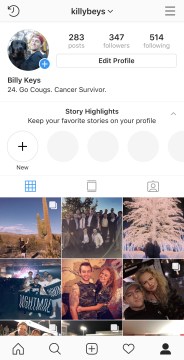
Here is a picture to show what people see when they go to my account:

IMG_1191.jpg

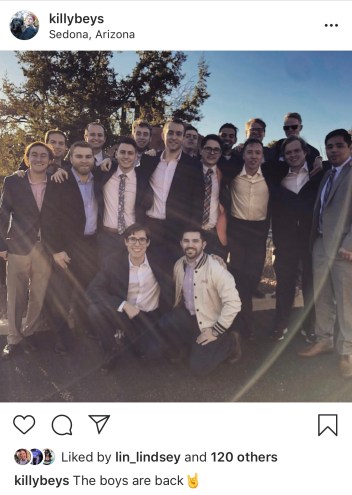
Here is another picture to show what my typical instagram post looks like:

IMG_1192.jpg

Here is a video of my most liked instagram post: